
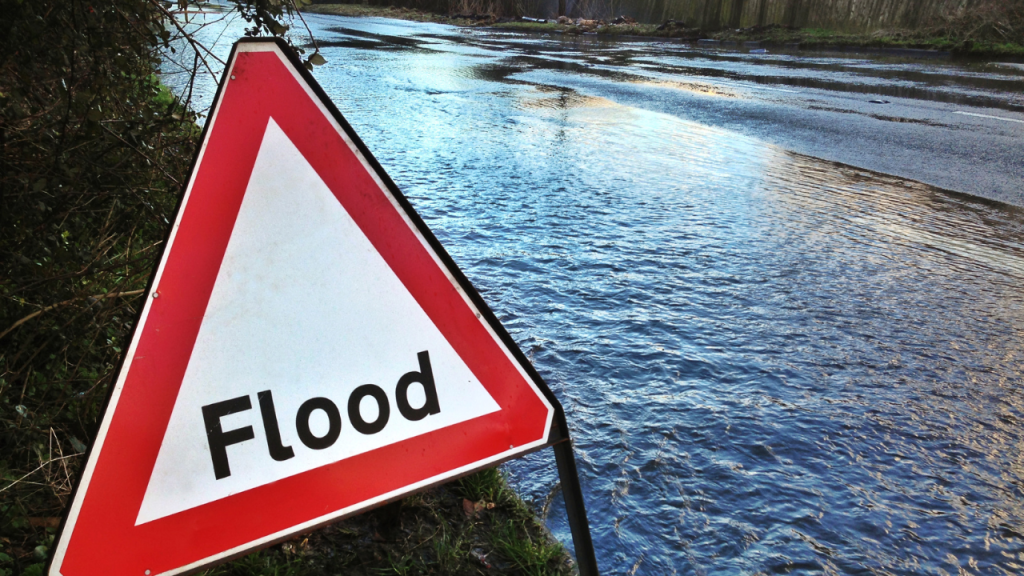
The recent devastating flooding in Texas has shaken us to our core. As we’ve watched the news unfold – seeing entire RV parks swept away and hearing the heartbreaking stories of families who lost everything in minutes – it’s impossible not to think “that could have been us.”
After three years of chasing adventures across the country, this tragedy is a sobering reminder that severe weather can strike anywhere, anytime. Our hearts are heavy for the 120+ lives lost, and it’s prompted us to seriously upgrade our overall weather preparedness for ALL types of storms we might encounter on the road.
The Wake-Up Call We All Needed
The Texas Hill Country flooding wasn’t just another weather event – it was a catastrophic reminder of how quickly our beloved lifestyle can turn dangerous. Entire RV resorts were destroyed in minutes. Families were separated in the darkness. People who thought they were safely tucked away for a holiday weekend found themselves fighting for their lives.
As full-time RVers, we put ourselves in nature’s path by choice. We chase sunsets, seek remote locations, and often camp in the very areas most susceptible to severe weather – near rivers, in valleys, and in wide-open spaces. The freedom is intoxicating, but the responsibility is real.
Here’s What We’re Adding to Our Safety Toolkit
Enhanced Weather Monitoring
We’re no longer relying on basic weather apps and hoping for the best. Our upgraded monitoring system includes:
- Multiple weather apps with severe weather alerts for tornadoes, flash floods, and high winds
- NOAA weather radio with battery backup and hand crank for when cell towers fail Here’s the one we have
- Learning to read weather radar patterns ourselves instead of just relying on forecasts
- Real-time river gauge monitoring when camping near waterways
- Local emergency alert systems – looking into the options for every area we visit
Location Strategy Upgrades
Our campsite selection process is getting a major overhaul:
- Seasonal weather pattern research before booking (hurricane season, tornado alley timing, flash flood seasons)
- Identifying sturdy shelter locations near every campsite (bathhouses, storm shelters, solid buildings)
- Avoiding ridge tops and exposed areas during high wind seasons
- Understanding local evacuation routes before we even unhook
- When boondocking – paying close attention to washes and weather patterns so that there’s time to react and move if needed
Emergency Kit Improvements
We thought we were prepared, but we’re expanding our emergency supplies:
- 72+ hours of emergency supplies minimum (food, water, medications)
- Emergency cash for when cards don’t work and ATMs are down
- Multiple battery packs and portable charging solutions
- Offline maps downloaded to phones for when cell service fails
- Waterproof containers for important documents and emergency supplies
- Emergency medications and comprehensive first aid supplies
- Emergency communication devices (satellite communicators for remote areas)
Our New Storm Protocols
We’ve developed specific action plans for different weather threats:
Tornado Warnings
- Immediately move to the lowest, most interior part of the nearest solid building
- Never stay in the RV – it offers zero protection from tornadoes
- Have a go-bag ready with essentials for quick evacuation
High Winds
- Secure or store all outdoor items at the first sign of strong winds
- Lower awnings and retract slides if winds exceed 25 mph
- Position the RV to minimize wind resistance when possible
- Know your RV’s wind rating and respect it
- Fill your tanks – Adding water to your fresh water tank (and even waste tanks) provides extra weight and stability to help anchor your RV during high winds
Flood Threats
- Move to higher ground at the first sign of trouble – no more “wait and see”
- Never drive through flooded roads, no matter how shallow they appear
- Have an evacuation plan that doesn’t rely on the roads you came in on
Hurricane Season
- Plan evacuation routes well in advance
- Never stay in mandatory evacuation zones – no exceptions
- Monitor forecasts daily during hurricane season when in coastal areas
- Have fuel and supplies ready to evacuate quickly
- Fill all tanks with water for extra weight and stability if you must leave your RV behind
Communication and Information Plans
Staying informed and connected during emergencies is crucial:
- Check-in schedules with family during severe weather
- Multiple information sources (apps, radio, local news, emergency broadcasts)
- Emergency contact lists stored both digitally and on paper
- Social media monitoring for real-time local conditions
- Campground emergency procedures reviewed upon arrival
The Hard Truth About RV Weather Safety
Here’s what we’ve learned that most people don’t want to acknowledge:
Your RV is not a safe shelter in severe weather. It’s a temporary home that becomes a liability in tornadoes, severe winds, and floods. Our safety depends on recognizing when to abandon our home on wheels and seek proper shelter.
Weather can change faster than you can react. The time to prepare is before you need to, not when the alerts start blaring.
Remote locations have trade-offs. Those beautiful, isolated spots often lack cell service, emergency services, and escape routes when things go wrong.
Your insurance won’t replace your life. All the gear and preparation in the world means nothing if you don’t have the judgment to use it.
Moving Forward with Respect and Preparation
The Texas tragedy shows us that severe weather doesn’t discriminate – it can affect anyone, anywhere. We refuse to let our love of remote, beautiful locations put us at unnecessary risk anymore.
This lifestyle is too precious to lose to preventable dangers. We’re not letting fear keep us off the road, but we’re approaching weather safety with the seriousness it deserves.
As a community, we need to look out for each other. Share weather information, check on fellow RVers during storms, and never hesitate to help someone who needs assistance.
Your Turn
How are you upgrading your weather preparedness? What tools and strategies have you found most effective? Share your thoughts in the comments below – your experience could save someone’s life.
And if you’re just starting your RV journey and feeling overwhelmed by all these safety considerations, remember: preparation isn’t about living in fear, it’s about living with confidence. The more prepared you are, the more freely you can enjoy this incredible lifestyle.
Stay safe out there, and remember – no sunset is worth risking your life.
Watch our extreme weather safety video for more detailed tips:VIDEO BELOW
Want more safety tips and real-world RV living advice? Check out our complete RV living course where we cover emergency preparedness, safety planning, and all the essential knowledge for confident RV living.





3 Responses
I have been looking at a window rescue ladder that hook on the window.
Do you have any information on them that work for a travel trailer?
No, I’m sorry I don’t.
Excellent article with many important points to consider and to be ready to react quickly! Thank you for sharing your insights!
Would be great to save and/or have available in a printable format.