One of the most common questions we hear from RVers is:
“How much solar do I actually need?”
It sounds simple, but once you start researching solar panels, lithium batteries, inverters, and system voltages, things can get complicated quickly.
That’s why in the video above we sat down with RV solar consultant Dan Heming to walk through how RV solar systems really work and how to think about sizing one for your rig.
If you’re considering adding solar to your RV, we highly recommend watching the full video because Dan explains several things that many RVers misunderstand when planning a solar system.
RV Solar Systems Are More Complicated Than They Look
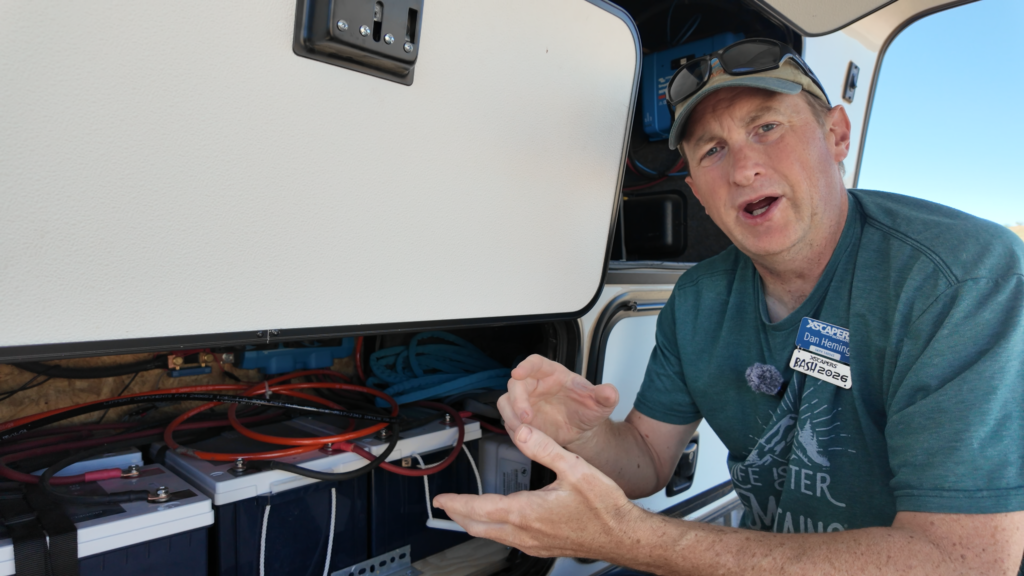 A lot of people assume RV solar is just a simple chain:
Solar panels → batteries → inverter → power for your RV.
In reality, most RVs run on a mix of electrical systems.
Many important components still rely on 12-volt power, including things like hydraulic slides, leveling systems, lighting, water pumps, and other equipment. In larger fifth wheels, those 12-volt loads can be significant.
As Dan explains in the video above, this is one of the reasons RV solar design is different from residential solar systems. Even when you build a large solar system, you still have to support those 12-volt systems that the RV was originally designed around.
Understanding that balance is one of the first steps toward building a smart RV solar setup.
12V vs 24V vs 48V Solar Systems
One of the topics we spend a lot of time discussing in the video is the difference between 12-volt, 24-volt, and 48-volt solar systems.
If you’ve spent any time researching RV solar, you’ve probably seen people online claiming that higher voltage systems are dramatically more efficient. While there can be efficiency advantages, Dan explains that the real-world difference isn’t always as dramatic as some people suggest.
Higher voltage systems can reduce current in some parts of the system, which can help with wiring efficiency. However, most RVs still have many components that require 12-volt power, so the system often needs to step power back down for those loads.
In other words, there are always trade-offs.
In the video above, Dan walks through when each type of system might make sense and why there isn’t a one-size-fits-all answer for RV solar design.
Why Some RV Solar Systems Get Overbuilt
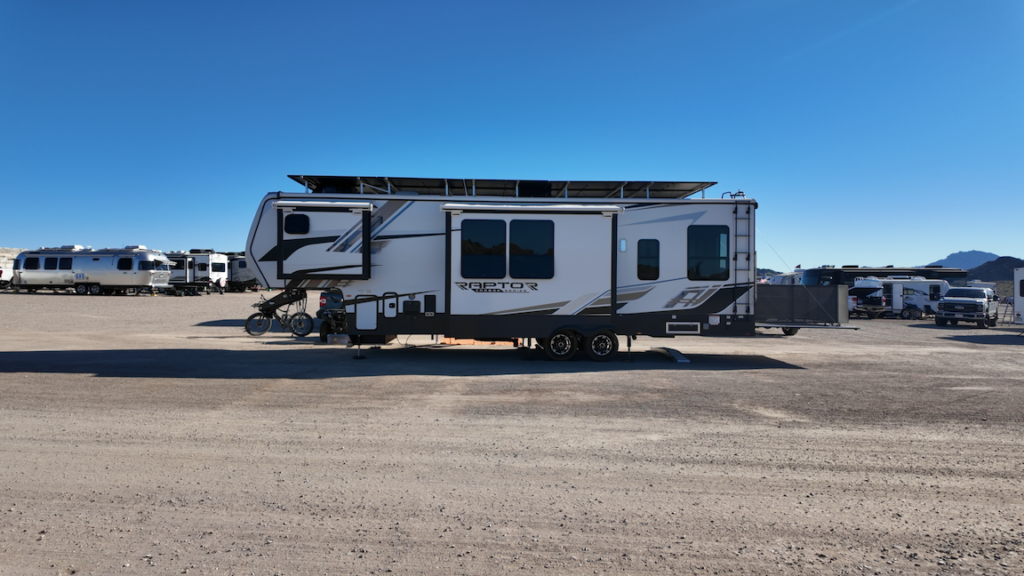 Another interesting part of the conversation is how easy it is for an RV solar project to grow much larger than originally planned.
Many RVers start with a basic idea:
“Maybe I’ll just add a couple solar panels.”
But then the system grows:
• more panels
• larger lithium battery banks
• bigger inverters
• additional charge controllers
Before long, the system becomes far more complex and expensive than expected.
In the video above, Dan talks about how understanding your actual daily power usage is one of the best ways to prevent this.
Once you know how much electricity you truly use, it becomes much easier to design a realistic solar system for your RV.
How Much Solar Do You Need for an RV?
 This is the question that drives the entire conversation in the video.
The honest answer is that it depends heavily on how you use your RV.
Some RVers can boondock comfortably with:
• 200–400 watts of solar
• a modest battery bank
Others who want to run residential refrigerators, work remotely, or power additional appliances may build systems with:
• 800–2000+ watts of solar
• large lithium battery banks
• powerful inverters
Your solar needs depend on things like:
• how often you boondock
• what appliances you run
• how much power you use daily
• whether you rely on solar as your primary energy source
Dan breaks down these considerations in the video so you can start thinking about your own power needs more clearly.
RV Solar System Cost
Another big reason people research RV solar is cost.
Installing a full RV solar system can range widely depending on the size and complexity of the setup.
For example, a simple starter system might include:
• a few rooftop solar panels
• a charge controller
• a lithium battery upgrade
Larger off-grid RV solar systems can include:
• large solar arrays
• multiple lithium batteries
• large inverters
• upgraded wiring and electrical components
Because there are so many variables, it’s easy to overspend if you design a system that’s larger than your actual needs.
This is one reason some RV owners work with solar consultants like Dan — to help design a system that fits their usage without unnecessary expense.
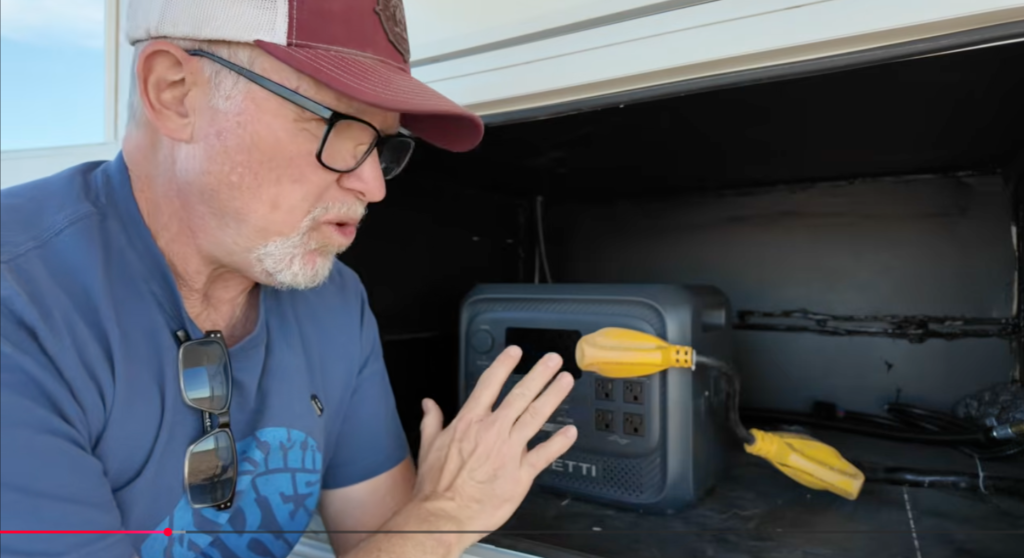
A Simpler Power Option for Some RVers
Want to Talk to Dan About Your RV Solar Setup?
 If you’re trying to design a solar system and want expert guidance, you can reach Dan directly here:
 https://rvsolarconsulting.com/
Dan works with RV owners to design solar systems based on their actual power usage and camping style, which can help avoid costly mistakes when building an RV solar system.
Watch the Full Conversation
This article covers some highlights, but the full discussion with Dan goes much deeper into:
• how RV electrical systems actually work
• common solar misconceptions
• when higher voltage systems make sense
• why 12-volt loads still matter
• how to think about solar system sizing
You can watch the full conversation in the video embedded at the top of this page.
If you’re planning a solar upgrade for your RV, it’s a great place to start before investing in panels, batteries, or other equipment.
More RV Solar and Off-Grid Power Resources
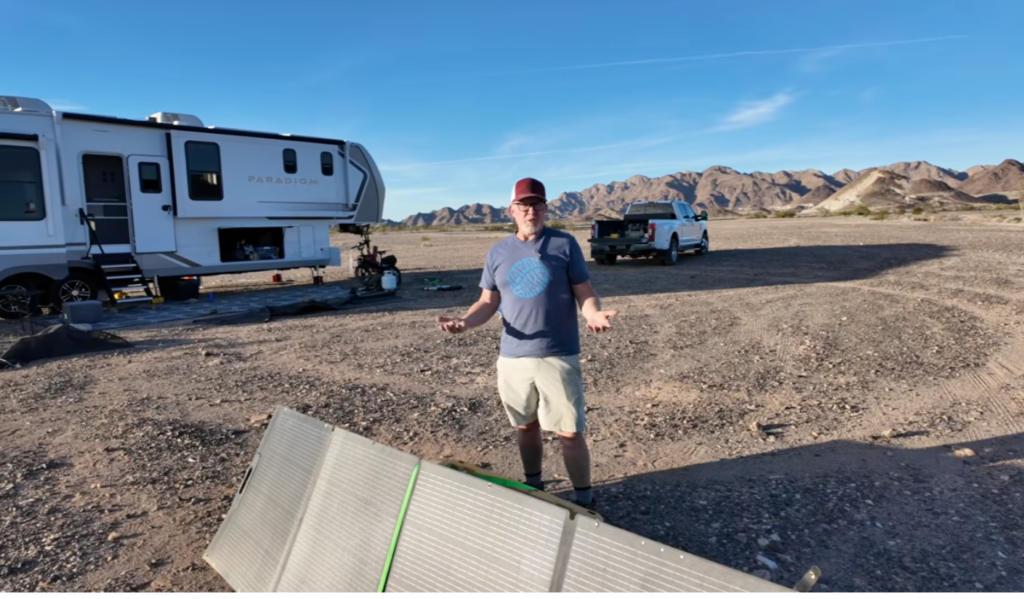 If you’re researching solar for your RV, you might also find these articles helpful. We’ve documented a lot of our own off-grid power experiments and setups over the past few years.
Our Full RV Off-Grid Solar Setup
If you want to see the solar system we built for our first fifth wheel (44foot Alliance Valor Toy Hauler) and how everything worked together, check out this breakdown of that off-grid setup:
https://liketheresnotomorrow.net/rv-off-grid-solar-setup/
In this article and video we walk through our solar panels, battery bank, inverter setup, and how we manage power while boondocking.
Why I Replaced Victron With the BLUETTI RV5
 We also documented our NEW setup in our 2026 Alliance Paradigm 370FB and why we switched from a traditional component-based solar system to an integrated power solution.
https://liketheresnotomorrow.net/why-i-replaced-victron-with-the-bluetti-rv5/
This article explains the reasoning behind that decision and how the RV5 fits into our off-grid RV power strategy.
Can a Portable Power Station Run a 40-Foot Fifth Wheel?
Portable power stations are becoming a popular alternative to full solar installs. In this article we tested whether one could realistically support a large RV.
https://liketheresnotomorrow.net/portable-power-station-run-40ft-fifth-wheel/
The results might surprise you.
Frequently Asked Questions About RV Solar
How much solar do you need for an RV?
The amount of solar you need depends entirely on how you use your RV and how much electricity you consume each day.
Some RVers who only run lights, water pumps, and small electronics can get by with 200–400 watts of solar and a modest battery bank.
Others who want to run larger appliances, residential refrigerators, or work remotely from their RV may install 800–2000+ watts of solar along with larger lithium battery banks and inverters.
In the video above, RV solar consultant Dan Heming walks through how to think about your daily power usage before deciding how large your solar system needs to be.
Is RV solar worth it for boondocking?
For many RVers who enjoy boondocking, solar can be a great way to generate power without running a generator.
Solar allows you to recharge batteries during the day so you can power lights, appliances, and electronics while camping off-grid.
However, solar systems vary widely depending on the size of the RV, how much electricity you use, and how often you camp without hookups.
As discussed in the video above, understanding your power needs is the most important step before designing an RV solar setup.
What’s the difference between 12V, 24V, and 48V RV solar systems?
These numbers refer to the voltage of the battery system and the electrical design of the solar setup.
Higher voltage systems can sometimes improve efficiency in certain parts of the system, but most RVs still rely heavily on 12-volt components such as lighting, water pumps, slides, and leveling systems.
Because of that, RV solar systems often still need to support 12-volt loads even if the battery system operates at a higher voltage.
Dan explains the pros and tradeoffs of these different system voltages in the video above.
How much does an RV solar system cost?
RV solar system cost can vary significantly depending on the size and complexity of the setup.
A small starter system with a few panels and a lithium battery upgrade may cost a few thousand dollars, while larger off-grid solar systems with extensive battery banks and high-power inverters can cost much more.
Many RVers find it helpful to design their system around their actual power usage to avoid building a system that is larger — and more expensive — than necessary.
Can a portable power station run an RV?
Portable power stations have become a popular alternative to traditional solar installations for some RVers.
While they typically cannot replace large built-in solar systems entirely, they can be very useful for powering certain appliances, electronics, or backup power while camping off-grid.
We’ve experimented with several of these setups ourselves, which you can read about here:
https://liketheresnotomorrow.net/portable-power-station-run-40ft-fifth-wheel/
Do you need solar panels to boondock?
No — many RVers boondock using battery power combined with generators.
Solar simply provides a way to recharge those batteries during the day using sunlight instead of fuel.
For RVers who spend extended time off-grid, solar can reduce generator usage and provide a quieter way to maintain battery power.
Final Thoughts
Designing an RV solar system doesn’t have to be overwhelming. The most important step is understanding how much electricity you actually use and building a system around those needs.
If you’re thinking about installing solar, the conversation with Dan in the video at the top of this page is a great place to start.